


Essential Steps to Stay Safe When Your Car Breaks Down on the Highway

A car breaking down on the highway is a sudden challenge that can cause stress and confusion. The key to handling this situation safely is knowing exactly what to do from the moment your vehicle stops working. Staying calm, making your car visible to other drivers, and protecting yourself from danger are the top priorities. This guide walks you through the essential steps to take after a highway breakdown, helping you stay safe and get back on the road as quickly as possible.
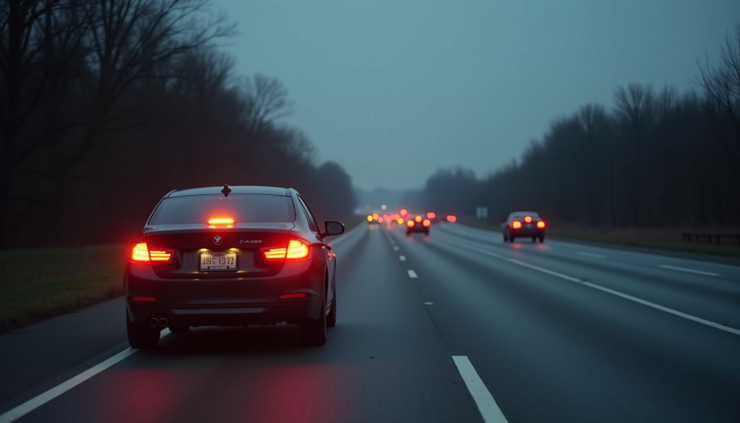
Move Your Vehicle to a Safe Location
When your car starts to fail, the first step is to get it off the main lanes of traffic. If possible, steer your vehicle to the shoulder or emergency lane. This reduces the risk of collisions and keeps you out of the way of fast-moving vehicles.
Signal early to alert drivers behind you.
Slow down gradually to avoid sudden stops.
Pull over completely onto the shoulder or a flat area away from traffic.
If you cannot reach the shoulder, try to stop in a spot with good visibility and as far from traffic as possible.
Stopping your car in a safe place lowers the chance of accidents and gives you room to assess the situation.
Turn on Hazard Lights and Use Emergency Signals
Once stopped, turn on your hazard lights immediately. This alerts other drivers that your vehicle is not moving normally and warns them to slow down and pass carefully.
Keep hazard lights on until help arrives or you move your car.
If you have LED road flares, place them behind your vehicle at increasing distances (about 10 feet, 100 feet, and 200 feet) to warn approaching traffic.
Use a flashlight or reflective vest if you need to exit the vehicle at night.
These signals improve your visibility and reduce the risk of collisions from drivers who might not expect a stopped vehicle.
Stay Inside Your Vehicle When Possible
Highways are dangerous places, especially when cars are moving fast. Unless you are in immediate danger (such as a fire or smoke), it is safer to stay inside your vehicle with your seatbelt fastened.
Keep doors locked.
Avoid standing near the road or between vehicles.
Use your phone to call for roadside assistance or emergency services.
Staying inside protects you from passing traffic and reduces the chance of injury.
Call for Help and Provide Clear Information
If you have roadside assistance coverage, call them as soon as you are safely stopped. If not, dial emergency services or a trusted towing company.
When you call, be ready to provide:
Your exact location, including highway name, mile marker, or nearby landmarks.
A description of the problem with your vehicle.
Any safety concerns, such as if you are in a dangerous spot or if there are injuries.
Clear communication helps responders find you quickly and bring the right help.
Use Emergency Gear Wisely
Having an emergency kit in your car can make a big difference during a breakdown. Essential items include:
Reflective vest to increase your visibility if you must exit the vehicle.
Warning LED road flares to alert other drivers.
Flashlight with extra batteries.
Basic tools and jumper cables.
Water and snacks in case you wait for a long time.
Use these items carefully and only when it is safe to do so. For example, place warning triangles only if you can step out safely and wear a reflective vest to be seen.
Avoid Risky Repairs on the Highway
Trying to fix your car on a busy highway can be dangerous. Unless you have the skills and tools to perform a quick, safe fix, it is better to wait for professional help.
Do not change tires or check under the hood if you are close to traffic.
If you must inspect your vehicle, do so on the side away from traffic.
Use your emergency gear to stay visible.
Waiting for a tow truck or mechanic is usually the safest choice.
Keep Yourself Calm and Alert
A breakdown can be stressful, but staying calm helps you think clearly and act safely.
Take deep breaths to reduce anxiety.
Stay aware of your surroundings and watch for approaching vehicles.
Keep your phone charged and ready for communication.
Being calm also helps you make better decisions and follow safety steps without rushing.
Prepare for Future Breakdowns
After your experience, take steps to reduce risks in the future:
Regularly maintain your vehicle to prevent breakdowns.
Keep an emergency kit stocked and accessible.
Know your roadside assistance options and keep their numbers handy.
Practice safe stopping and signaling techniques.
Preparation can turn a stressful breakdown into a manageable situation.
Knowing what to do when your car breaks down on the highway can save your life and reduce stress. Moving your vehicle to a safe spot, making yourself visible, staying inside when possible, and calling for help are the most important actions. Keep emergency gear ready and avoid risky repairs near traffic. By staying calm and prepared, you protect yourself and others on the road. Next time you hit the highway, make sure you are ready for the unexpected.


Comments