


Carbon Monoxide Detectors: Why Every Home Needs More Than Just CO Protection


When it comes to protecting your family, most homeowners know they should install a carbon monoxide detector. Carbon monoxide (CO) is often called the "silent killer" because it is colorless, odorless, and impossible to detect without the proper equipment.
But while CO is one serious concern, it isn't the only invisible danger that can threaten your home.
Natural gas leaks, poor indoor air quality, and environmental conditions like humidity and temperature changes can all impact your family's comfort and safety. That's why today's homeowners are moving beyond traditional carbon monoxide detectors and choosing smart, multi-function monitoring devices.
What Is Carbon Monoxide?

Carbon monoxide is produced whenever fuel burns. Common household sources include:
Gas furnaces
Water heaters
Fireplaces
Gas stoves
Portable generators
Attached garages
Grills used indoors
Wood-burning stoves
Because carbon monoxide has no smell, taste, or color, people often don't realize they're being exposed until symptoms begin.
Early signs of CO exposure may include:
Headaches
Dizziness
Fatigue
Nausea
Confusion
High levels can quickly become life-threatening.
Why Natural Gas Detection Matters Too
Many homes also use natural gas for heating, cooking, fireplaces, dryers, and water heaters.
Unlike carbon monoxide, natural gas is given an odorant to help people recognize a leak. However, small leaks can still go unnoticed, especially while sleeping or away from home.
Early detection allows homeowners to identify potential problems before they become dangerous.
Indoor Air Quality Is More Important Than Ever
Modern homes are built to be energy efficient, which often means they are sealed tighter than older homes.
While this improves heating and cooling efficiency, it can also reduce ventilation.
Poor indoor air quality may contribute to:
Excess moisture
Mold growth
Uncomfortable humidity
Stale indoor air
Reduced comfort
Monitoring environmental conditions gives homeowners better insight into their living space every day.
Why Choose a 4-in-1 Detector?
Instead of installing multiple devices throughout your home, a 4-in-1 detector combines several important monitoring functions into one convenient unit.
A quality 4-in-1 detector can monitor:
Carbon Monoxide
Natural Gas
Humidity
Temperature
This provides a more complete picture of your home's indoor environment while reducing clutter and simplifying installation.
Features That Make a Difference
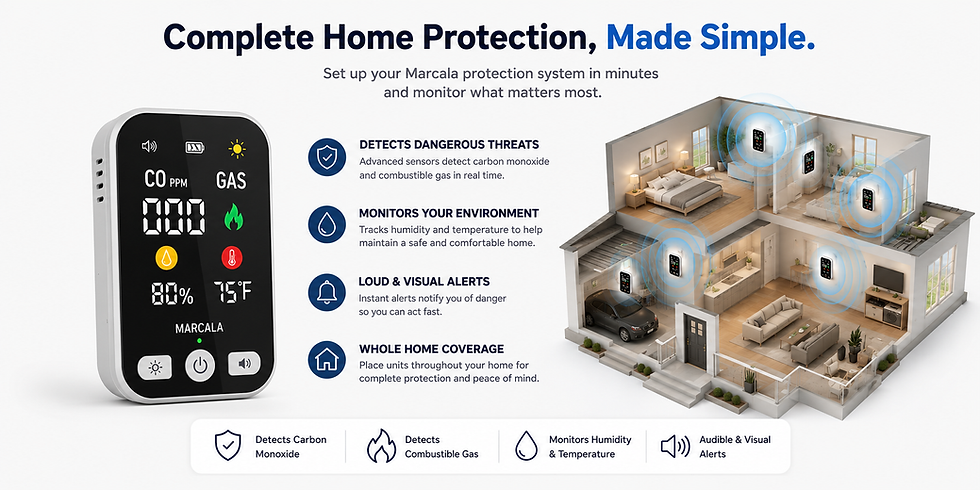
When choosing a detector, consider features such as:
Real-Time Monitoring
Continuous monitoring provides up-to-date readings instead of only alerting during emergencies.
Large LCD Display
A clear display allows you to quickly view important information at a glance.
Audible Alarm
An alarm helps notify occupants immediately if dangerous levels are detected.
Backup Battery
Protection continues during power outages.
Easy Installation
Plug-in detectors with backup batteries make setup fast while remaining easy to relocate when needed.
Where Should You Install Carbon Monoxide Detectors?

For the best protection, detectors should be installed in key areas of your home, including:
Bedrooms
Hallways outside sleeping areas
Living rooms
Basements
Near attached garages
Kitchens (following manufacturer placement recommendations)
RVs and campers where appropriate
Installing multiple detectors throughout your home provides better overall coverage.
Peace of Mind Starts With Prevention
Home safety isn't about reacting to emergencies—it's about preventing them.
Modern monitoring devices help homeowners stay informed by providing continuous visibility into carbon monoxide levels, natural gas detection, humidity, and temperature.
Whether you're protecting a growing family, upgrading an older detector, or simply looking for more complete home monitoring, choosing a multi-function detector can help provide greater confidence in your home's safety every day.
Frequently Asked Questions
How often should I replace a carbon monoxide detector?
Most detectors should be replaced according to the manufacturer's recommended service life, typically every several years.
Can one detector protect my entire house?
No. Multiple detectors should be installed throughout the home for proper coverage.
Do carbon monoxide detectors detect natural gas?
Not all do. Traditional CO detectors only monitor carbon monoxide. Multi-function detectors can monitor additional hazards, depending on the model.
Why monitor humidity and temperature?
Monitoring humidity and temperature helps homeowners maintain a comfortable indoor environment and may help identify conditions that could contribute to moisture-related issues.
Protect Your Home with Confidence
Home safety starts with reliable monitoring. Choosing a detector that monitors carbon monoxide, natural gas, humidity, and temperature provides greater awareness of your indoor environment—helping you protect what matters most.


Comments